 Hebei Lvjoe Machinery Development Co., Ltd
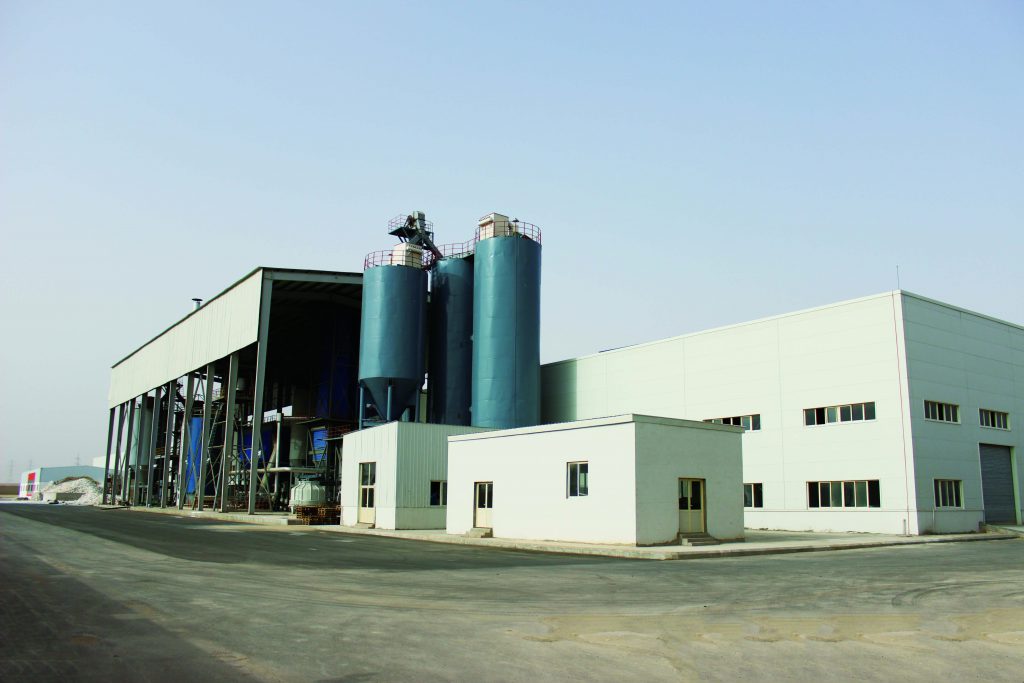

| Nome: | Plaster Of Paris Plant | Annual Capacity: | 30000-500000 Tons/year |
|---|---|---|---|
| Calcination System: | Fulidized Furnace, Rotary Kiln, Kettle | Fuel Type: | Carbone, Gas naturale, Olio, Etc |
| Materia prima: | Gypsum Rock/mine | Silo: | Provided By The Buyer |
| Installazione: | We Will Send The Technician To The Site For Guiding Installation | Control System: | PLC Control |
| Usages Of Finished Product: | Building Material For Construction | After-sales Service: |
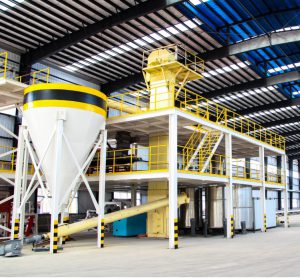
I materiali in polvere che provengono dal processo di macinazione della polvere o dal silo di polvere, lo faranno attraverso la verticale, trasportatore orizzontale e poi attraverso il trasportatore a coclea di misurazione nel forno di ebollizione per la calcinazione. Il forno di ebollizione utilizza l'olio diatermico ad alta temperatura come fonte di calore, l'olio per il trasferimento di calore ad alta temperatura è fornito da una caldaia a olio diatermico alimentata a carbone. Quando l'olio di trasferimento ad alta temperatura entra nel forno di ebollizione, il suo calore verrà trasmesso alla polvere di gesso tramite scambiatore di calore, e fare in modo che CaSO4 *2H2O diventi CaSO4 *1/2H2O (costruzione di gesso). Durante la calcinazione, regoliamo la temperatura di scarico in base alla quantità di alimentazione del gesso grezzo, Scarico automatico continuo di gesso da costruzione calcinato dal forno di ebollizione, e vengono trasportati al silo di gesso dell'edificio attraverso un trasportatore a coclea e un elevatore a tazze. E l'olio diatermico ritornerà nella caldaia a olio diatermico alimentata a carbone per il riscaldamento.
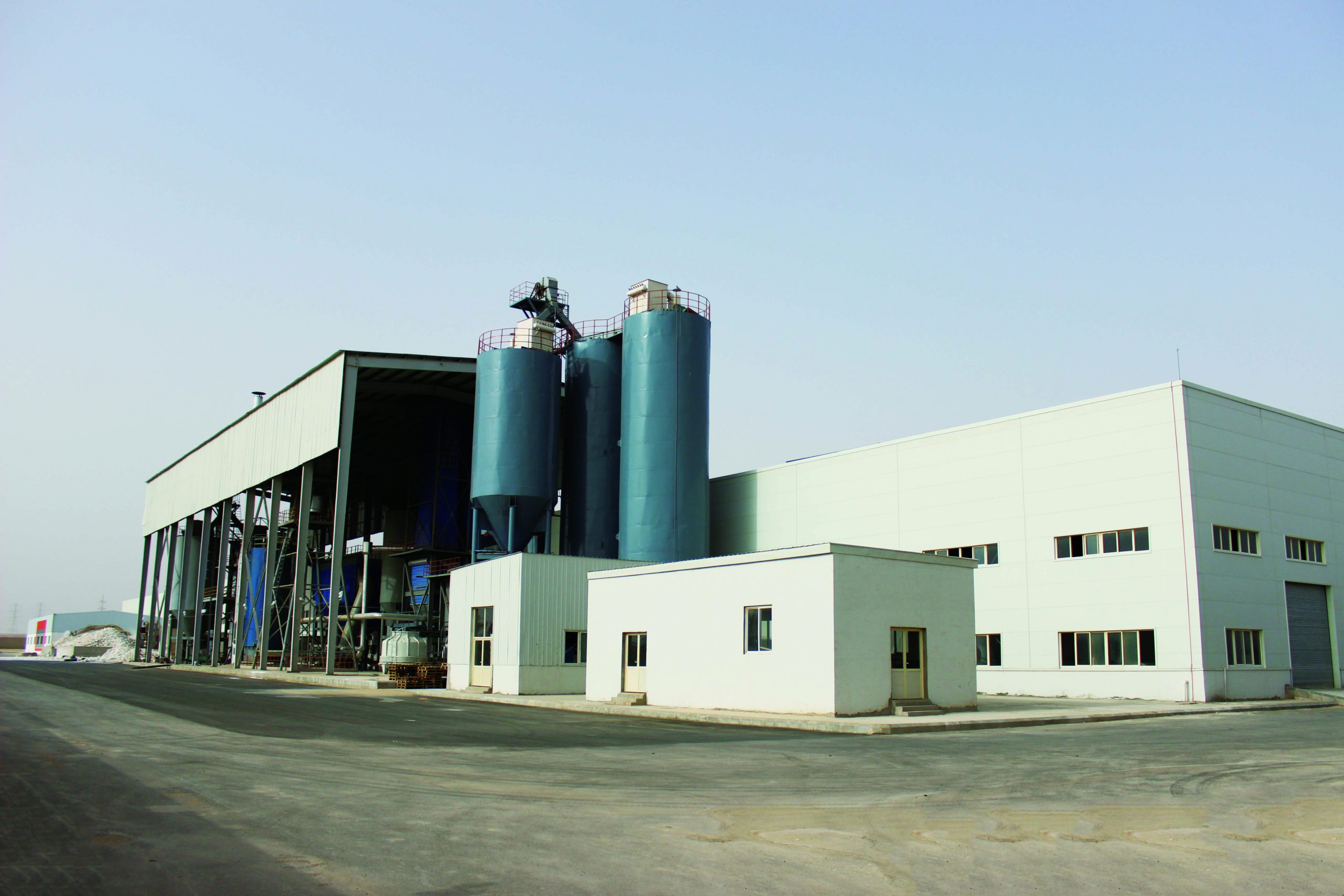
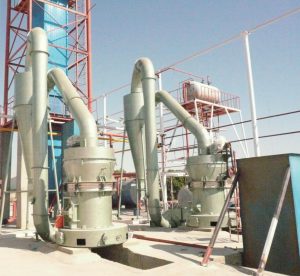
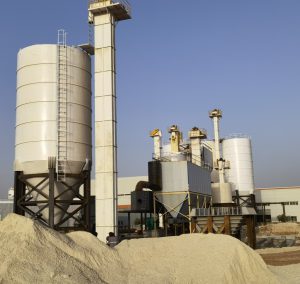
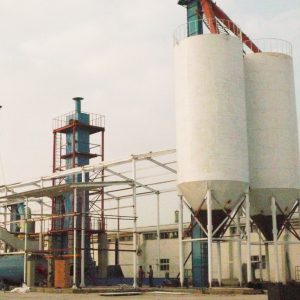
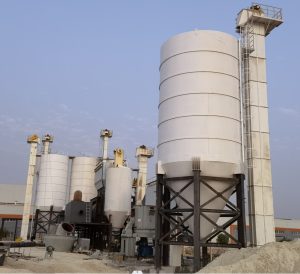
gypsum machine
The Brief Introduction of Natural Gypsum
The natural dihydrate gypsum (CaSO4·2H2O) is also called raw gypsum. After calcination and grinding, β hemihydrate gypsum (CaSO4·H2O), that is, costruzione di gesso, also be known as plaster of Paris and lime mud. The gypsum mine is mainly composed of sedimentary deposits, and the reserves account for more than 90% of the country. The epigenetic and hydrothermal metamorphic gypsum mines are not very important. Gypsum mines have been produced in all ages, with the Early Cretaceous and Tertiary sedimentary gypsum deposits being the most important.
The most widely used natural gypsum is dihydrate gypsum, the active ingredient of which is calcium sulfate dihydrate. Generally, the gypsum is graded according to the content of calcium sulfate dihydrate in the ore. Gypsum has a wide application field and many types of products. Different usages have different requirements on the quality of gypsum raw materials. High-grade gypsum is mostly used in the production of special gypsum products such as edible, medical, art, model and chemical fillers, etc.; The gypsum ore with a calcium sulfate content of less than 60% is rarely used; più di 60% of gypsum ore is used in various fields such as building materials and construction etc., according to its content.
Capacity of Natural Gypsum Powder Production Line
| ton/year | ton/hour | Gypsum Stone Consumption ton / year | Heating Medium
|
Heat Resource |
| 20,000 | 2.78 | 24,000 | Thermal Oil, Hot Air, Steam |
Carbone, Gas naturale, Light Oil, Heavy Oil, Biomass, Steam |
| 30,000 | 4.12 | 36,000 | ||
| 40,000 | 5.56 | 48,000 | ||
| 60,000 | 8.24 | 72,000 | ||
| 80,000 | 11.11 | 96,000 | ||
| 100,000 | 13.88 | 120,000 | ||
| 150,000 | 20.83 | 180,000 | ||
| 200,000 | 27.78 | 240,000 | ||
| 30,0000 | 41.66 | 360,000 |
Natural Gypsum Production Process Description
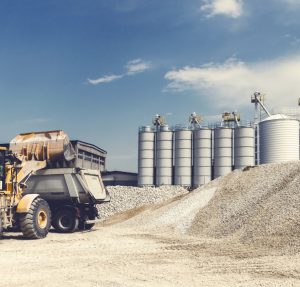
The gypsum stone is sent from the raw material pile to the material receiving steel hopper by the loader, and the large gypsum stone is crushed by the crusher to reach the required particle size of the process, and the material that meets the requirements of the particle size is stored in the raw material storage silo through the conveying device. The small material are transported by metering to the mill for grinding, and the block materials will be ground into powder in the mill to reach the required fineness of the process. The powder is transported into the buffer silo through the conveying device for buffering. Then, the powder is uniformly conveyed to the gypsum powder calcining equipment through the metering feeding device, and the gypsum powder will complete the conversion of the dihydrate gypsum to the hemihydrate gypsum. After the calcination is completed, it is modified by the ball mill, cooled by the cooler , and then transported to the finished product warehouse through the conveying equipment for storage and aging.